| THREE FIGS | HOME ABOUTSERVICESFIG FACTSARTICLESRESOURCESCONTACT ABOUTSERVICESFIG FACTSARTICLESRESOURCESCONTACT |
|
| ARTICLES
Personal success and goals in action
|
Is juicing a good thing? And all this juicing is for what? To lose weight? To replace missing vegetables and fruits from your diets? To heal from chronic sickness? These are all worthy reasons to look to juicing. In fact, it is admirable when a person tackles poor health and takes action to heal. To understand juicing and the related nutrition, however, it is best to compare juice to the whole fruit or vegetable. First of all, we all know juice is the liquid extracted from the fruit or vegetable. Though much of the vitamins, minerals, and sugars are in the juice, the fiber that is left behind also contains additional minerals. The function of the fiber is not only for intestinal movement, and helping keep you full, but fiber also slows down the uptake of sugar into the bloodstream, reducing spikes in blood sugar.
If you were to replace meals with juicing, there would naturally be a reduction of calories without the extra source of fats and processed foods. Without other foods, there will also be a shortage of fiber and vital nutrients- meaning protein and healthy fats. If you are missing fruits and vegetables from your diet, this means you are eating a diet heavier in calories and less fiber. This means more possible weight gain, especially if the foods are high in fat or excess sugar. The quicker, easier way to reduce calories is to fill half your plate with those high fiber, nutrient dense fruits and vegetables. Experiencing chronic disease and sickness? The most important thing your body needs is a balance of whole foods rich in nutrition, fiber, and modest in calories. A variety of vegetables and fruits adds 50% to your health, but a fraction of the calories. If you cannot get enough of the whole foods, then fresh juicing does fill its purpose. In the end it is not a meal replacement, but a supplement, a natural one that is not a pill or powder or bar. An alternative to juicing as a meal replacement is smoothies. Additional whole foods can be added to your smoothies to increase important nutrients in your diet. This could be yogurt (protein, calcium, and Vitamin D), nuts and seeds (minerals, protein, healthy fats, fiber).
|
|
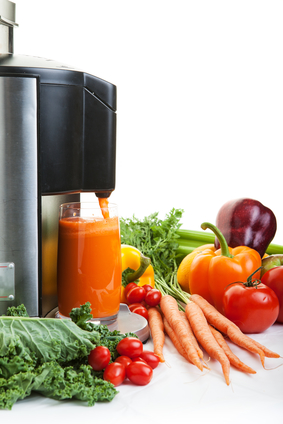 Juicing seems like it is everywhere. There are "natural" juices at markets. Juice bars. Juice diets. Juice cleanses. Juices being touted as liquid vitamins. There is even a movie (Fat Sick & Nearly Dead) about the magic of juicing.